Key numbers
~$1.23M from 2,638 backers, zero ad spendKickstarter 2023
~$120M (near-$400M valuation, 2025)Total funding
800W peak power, up to 30 kg offset, 25 km range, 1.8 kg weightAssistance specs
CES 2024 exhibitor; CES Innovation Award 2025 (robotics)Recognition
The product
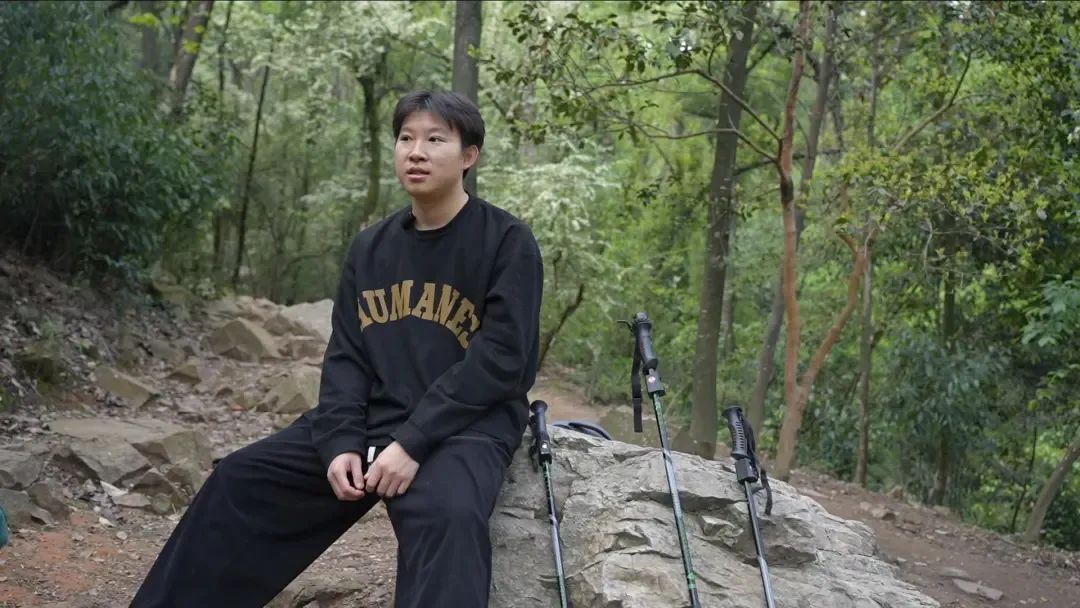
Hypershell's X-series (ProX, CarbonX; ~$499-$1,499) are lightweight powered exoskeletons for hiking, mountaineering, and trail running that use an 800W motor, 14 AI motion sensors, and an exoskeleton motor trained on human gait data to actively assist each step, offsetting loads up to 30 kg with ~25 km battery range. It solves the exhaustion of long, steep, heavy-pack treks, aiming assistance at hikers, outdoor photographers, hunters, and travelers rather than medical or industrial users. The foldable design weighs under 2 kg and uses consumer-electronics supply chains to keep costs to a fraction of traditional industrial exoskeletons. Sold via Kickstarter, its own site, and Amazon, where the company says its X series ranks first in sales volume among consumer exoskeletons in the US and Europe.
How they did it
Founder Sun Kuan, a hiking enthusiast and robotics engineer, started Hypershell in Shanghai in 2021 convinced that falling motor and battery costs finally made consumer exoskeletons viable; the company raised angel money from MiraclePlus (the successor to Y Combinator China) and refined its Omega drive architecture to cut weight to 1.8 kg and cost to consumer levels. In March 2023 the Hypershell X launched on Kickstarter with zero advertising and closed at ~$1.23M from 2,638 backers, the first consumer-grade exoskeleton crowdfunding hit and widely called an industry turning point. The team showed the product at CES 2024 and won a CES Innovation Award in 2025 in the robotics category, then moved volume production to Shenzhen to be near suppliers. Venture interest followed the crowdfunding proof: roughly $70M in pre-B and B rounds in late 2024, then a $50M Series B+ in 2025 co-led by Ant Group and Meituan Dragonball, bringing total funding to about $120M at a near-$400M valuation. The R&D team has since grown toward 200 people, but the defining proof was a tiny startup team outselling an entire category into existence.
Why it worked
- Category creation: first consumer exoskeleton to succeed on Kickstarter, defining a brand-new product class before big players arrived
- Cost engineering via consumer-electronics supply chains: 1.8 kg and sub-$1,000 pricing versus $20,000+ industrial exoskeletons
- Zero-ad Kickstarter success proved genuine demand and created a backer community that carried early word of mouth
- Hardcore outdoor positioning avoided the stigma of medical-looking devices and matched the founder's authentic hiker identity
Figures are compiled from public sources and may include estimates. Always verify before making business decisions.
 Outdoor & Travel
2021
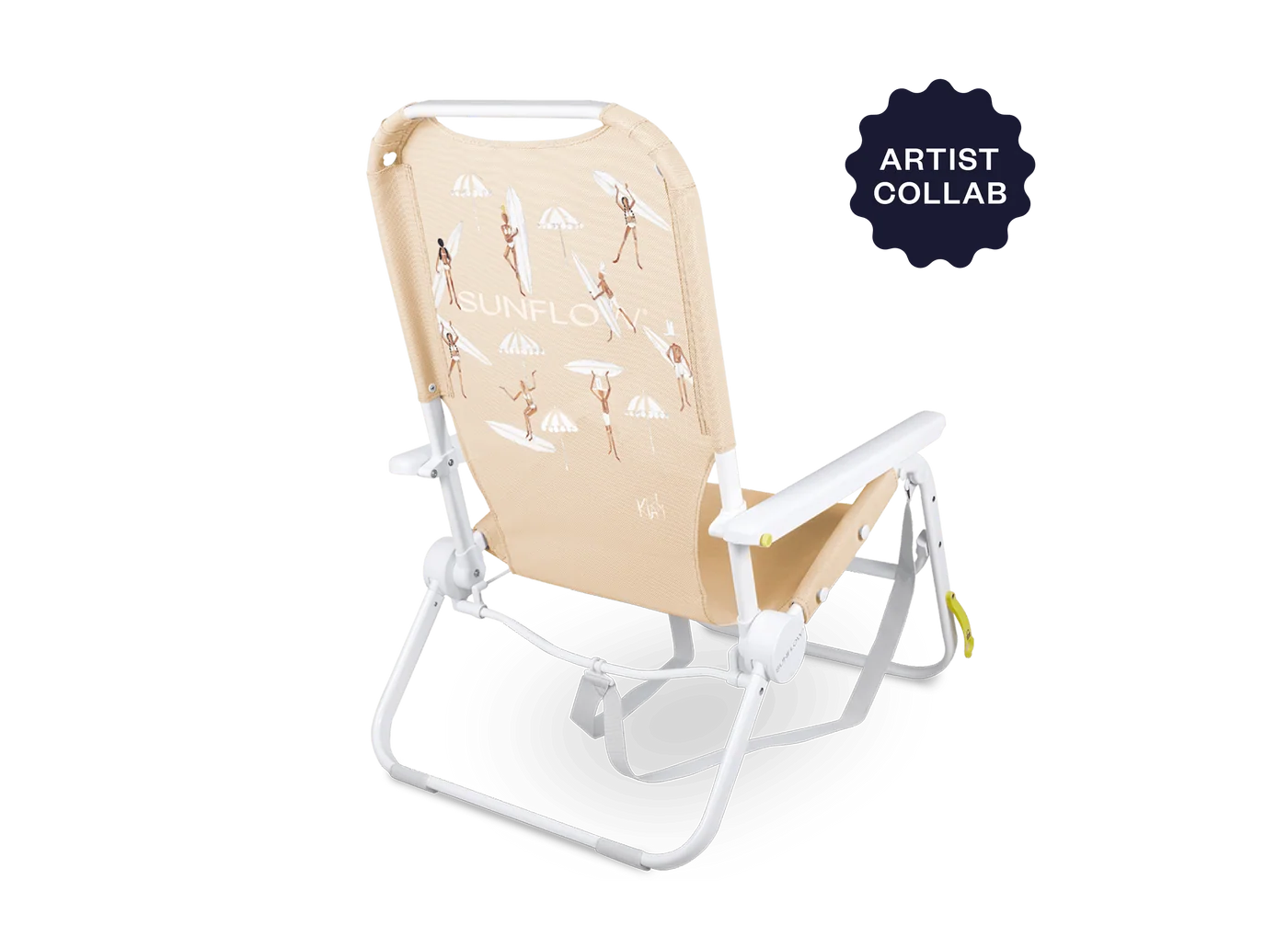
Sales at Shark Tank (2022)$2.9M (~11,000 chairs in first year)
Outdoor & Travel
2021
Sales at Shark Tank (2022)$2.9M (~11,000 chairs in first year)