Key numbers
~$100 millionXP line annual revenue
500,000+E-bikes sold in 5 years
~1 in 10 e-bikes soldUS e-bike market share
$999 (unchanged since XP 2.0)Starting price
The product
The XP4 is a folding, utility-focused e-bike sold in a 500W version at $999 and a 750W long-range version with a 17.5Ah battery at $1,299. It adds an in-house designed torque sensor for smoother pedal assist, a full-color TFT display with USB-C charging, hydraulic disc brakes developed specially for Lectric, an 8-speed Shimano Altus drivetrain, brake lights and rear turn signals, plus a redesigned frame and rack system compatible with a huge accessory ecosystem for hauling groceries, kids and gear. It is UL 2849 and ISO 4210 certified, with a 5-amp fast charger option that cuts charge time to two hours. Its core differentiator is value: competitors at triple the price offer similar specs, and Lectric has held its entry price for more than four years despite tariffs. Available direct from lectricebikes.com, the XP line accounts for roughly one in every ten e-bikes sold in the United States.
How they did it
Levi Conlow and Robby Deziel were in their twenties when Conlow came up with the idea in a Grand Canyon University entrepreneurship class and became the first occupant of the school's startup incubator with electric longboards. Conlow's parents took out a loan against their childhood home to lend him $40,000 to start the company in 2018-2019. They pivoted to affordable folding e-bikes, launching the XP line at prices hundreds of dollars below competitors, and growth exploded through word of mouth. The XP became the best-selling e-bike in the US and, according to Electrek, the third best-selling electric vehicle of any kind behind the Tesla Model 3 and Model S. By May 2025, when the XP4 launched, Lectric had sold over 500,000 e-bikes in five years and the XP line alone generated about $100 million in annual revenue. The company is North America's top-selling e-bike brand two years running, still headquartered in Phoenix with a young team, and Conlow now funds full-ride scholarships for foster youth.
Why it worked
- Relentless price-to-spec discipline: holding $999 for four years while adding features competitors reserve for $2,000+ bikes
- Vertical efficiency - a lean direct-to-consumer model with no dealer network passes savings straight to buyers
- One iconic, focused product line instead of a sprawling catalog, making the brand synonymous with affordable e-bikes
- Community flywheel: 400,000+ riders, huge accessory ecosystem and word-of-mouth that replaced ad spend
Figures are compiled from public sources and may include estimates. Always verify before making business decisions.
 Outdoor & Travel
2021
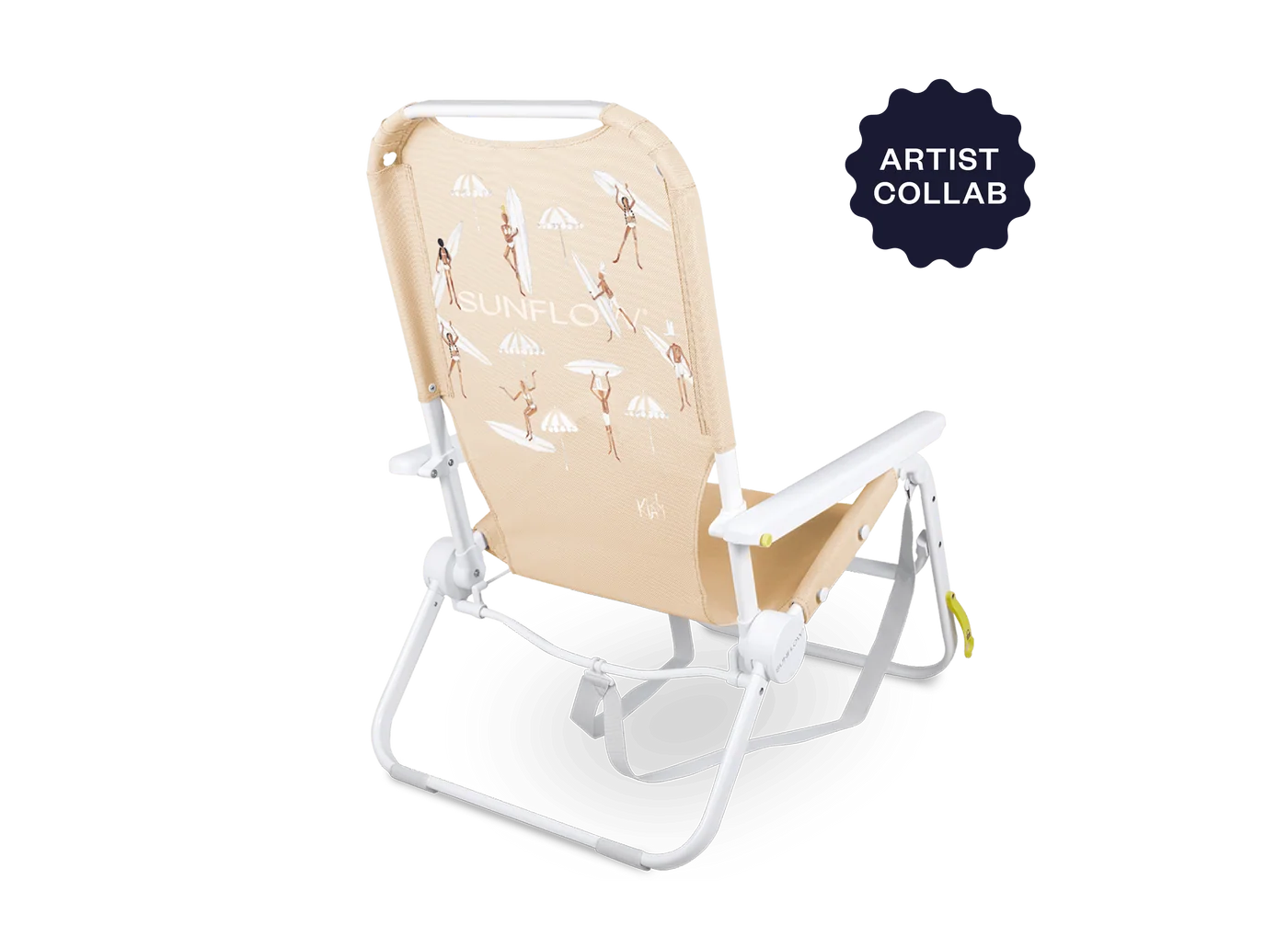
Sales at Shark Tank (2022)$2.9M (~11,000 chairs in first year)
Outdoor & Travel
2021
Sales at Shark Tank (2022)$2.9M (~11,000 chairs in first year)