 Gadgets & Lifestyle
Kickstarter (2012)$18,591 / 520 backers
Gadgets & Lifestyle
Kickstarter (2012)$18,591 / 520 backers
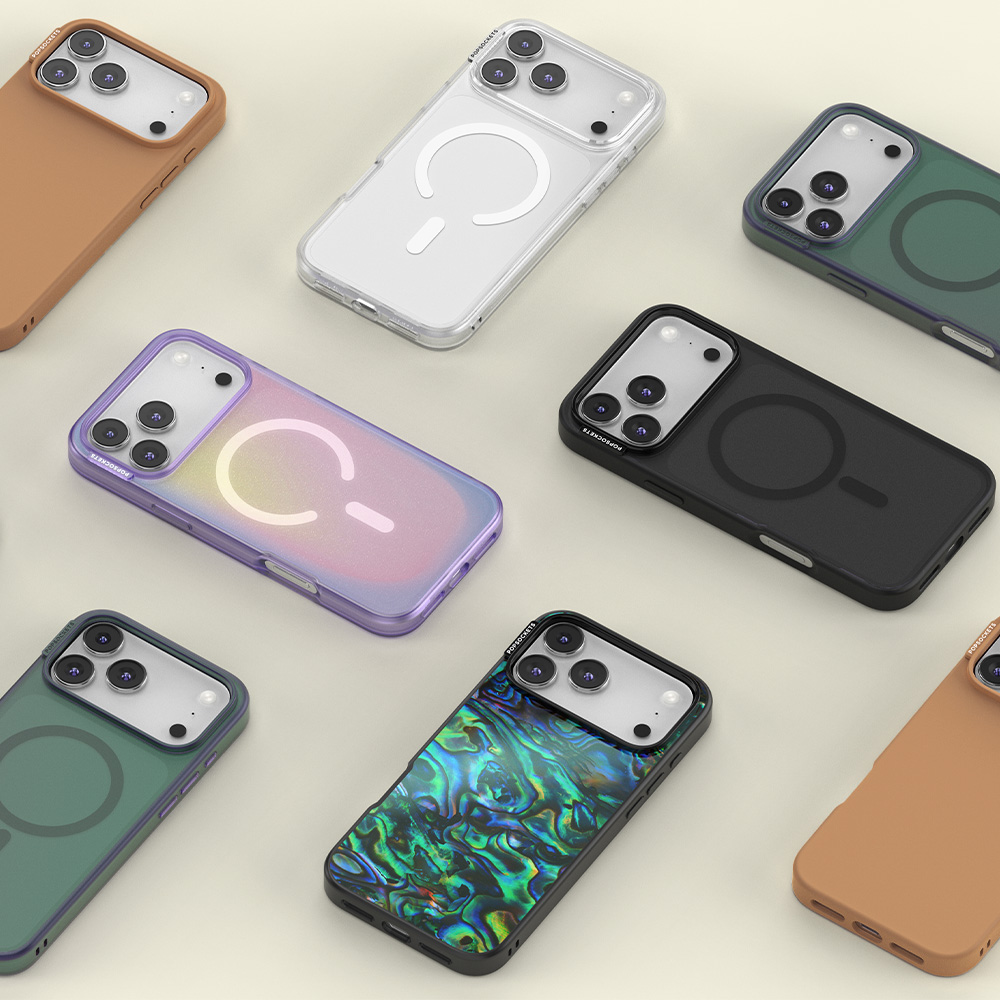
PopSockets Grip
A collapsible phone grip that sold 290 million units and nearly $200M a year - with zero venture capital.
PopSockets · United States→
A small Shenzhen-turned-Boston studio that made Mac-first, ultra-slim wireless mechanical keyboards and grew from one Kickstarter into a global enthusiast brand.
NuPhy makes ultra-slim wireless mechanical keyboards: the Air series (Air60/75/96) uses low-profile Gateron switches at under an inch thick, with tri-mode connectivity (Bluetooth, 2.4GHz, USB-C), hot-swappable switches and Mac-first design. The Halo series brought premium standard-height boards, and 2024's Field75 HE added magnetic Hall-effect switches with 8000Hz polling for gamers. Prices range roughly $90-200 via nuphy.com, Amazon and global distributors. The differentiation is genuine industrial design (signature sidelights, translucent base, colorful keycaps, anime-influenced aesthetics) plus early adoption of open QMK/VIA firmware, filling the gap between cheap OEM boards and $400+ custom keyboards.
The founders came from Apple-accessory design in Shenzhen; after spotting that no mechanical keyboard suited MacBook users, they launched the NuType F1 on Kickstarter in November 2019, raising HK$1,300,357 from 1,611 backers against an HK$80,000 goal (over 1,600%). A rocky first manufacturing run nearly sank the company, but the September 2021 Air75 launch became a do-or-die bet that paid off, going viral through YouTube reviews and Japanese distribution. NuPhy expanded to the Halo, Field and Hall-effect HE lines, moved its headquarters to Concord, Massachusetts, and today ships worldwide as one of the most recognizable names in custom-adjacent keyboards.
Figures are compiled from public sources and may include estimates. Always verify before making business decisions.
Gadgets & Lifestyle
Kickstarter (2012)$18,591 / 520 backers
A collapsible phone grip that sold 290 million units and nearly $200M a year - with zero venture capital.
 Gadgets & Lifestyle
Kickstarter (2013)$266,622 / 5,305 backers
Gadgets & Lifestyle
Kickstarter (2013)$266,622 / 5,305 backers
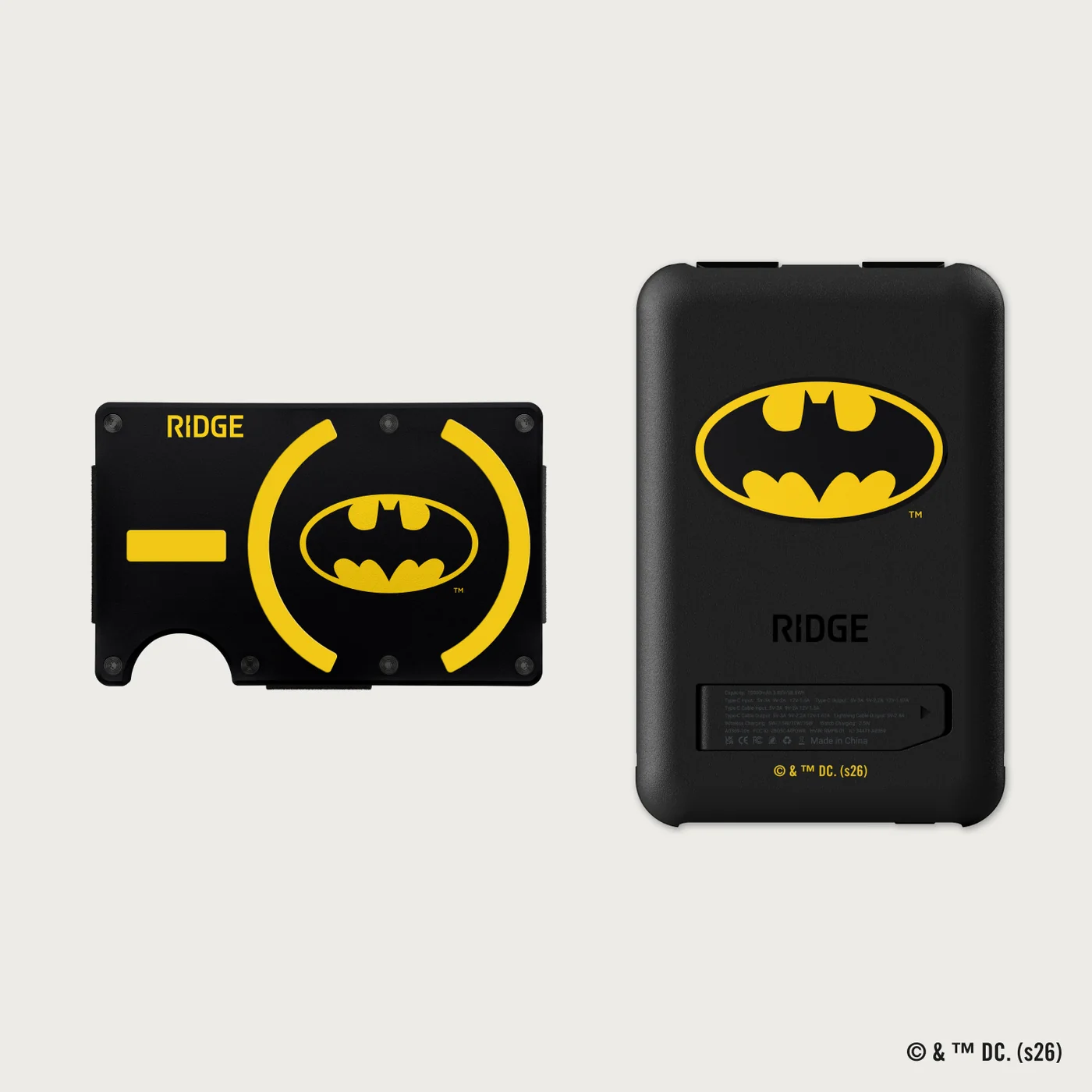
A minimalist metal wallet funded by two Kickstarters and scaled with roughly 1,000 YouTube partners a year.
 Gadgets & Lifestyle
Kickstarter raised$6,465,690
Gadgets & Lifestyle
Kickstarter raised$6,465,690
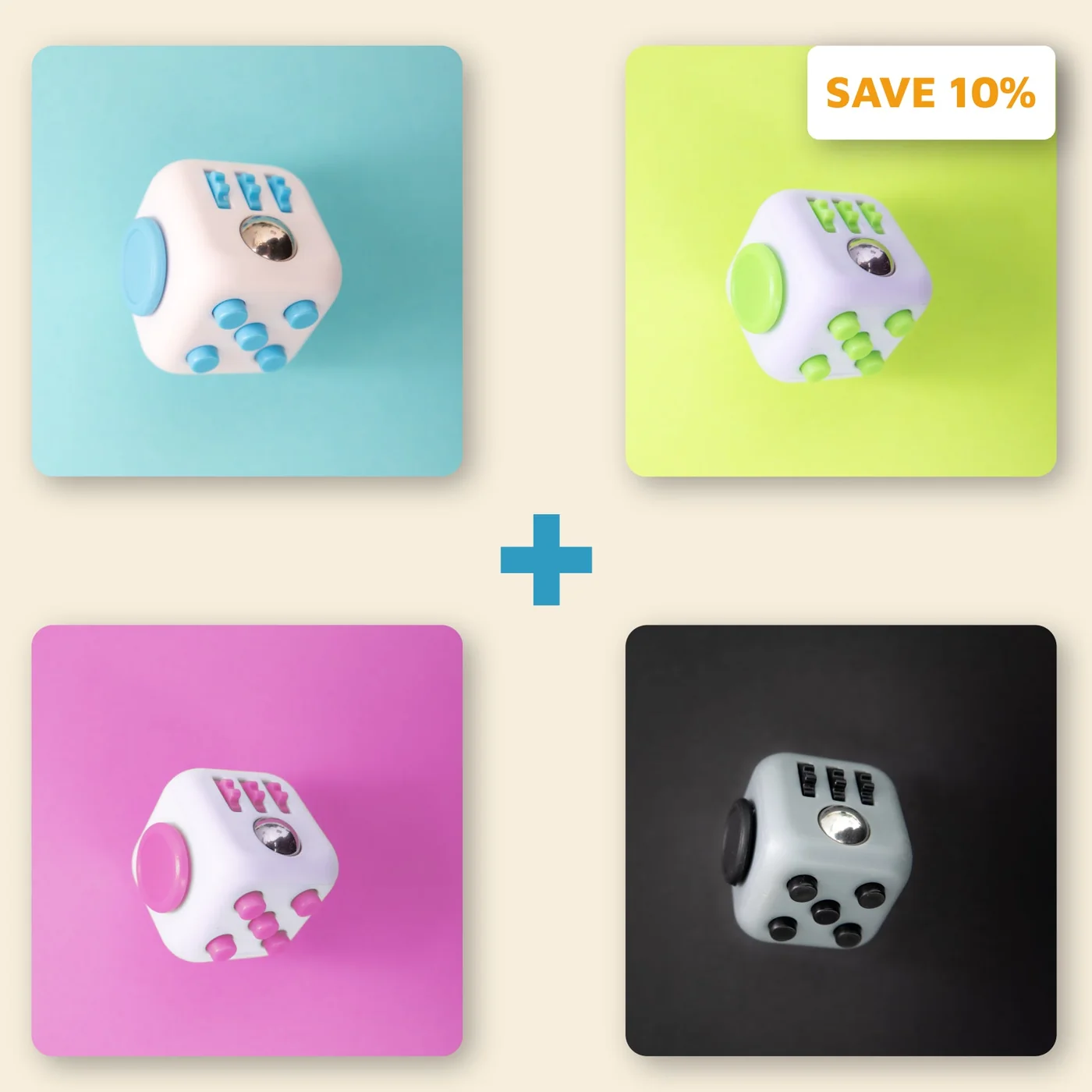
A desk toy that hit 43,105% of its Kickstarter goal and helped create the modern fidget-toy category.