Key numbers
$36 millionRevenue 2019
$100M+ (from ~$250K in 2016)Revenue 2020
$20M (2021, San Francisco Equity Partners)First outside funding
2M+ customers; ~5,000 US retailersCustomers / retail doors
The product
BrüMate's products include the Hopsulator TRiO (a 3-in-1 can cooler for 12oz and 16oz cans), the Winesulator (holds a full 25oz bottle of wine cold for 24+ hours), champagne flutes, cocktail tumblers, and the Nav series. Everything is built around a specific pain point: warm beer and wine at parties, on boats, and outdoors. Prices run roughly $20-$60, sold DTC, on Amazon, and through about 5,000 US retailers. Unlike Yeti or Hydro Flask, BrüMate avoids water bottles and coffee mugs entirely and stays focused on the drinking experience, with proprietary features like BevLock leakproof magnetic lids and dozens of limited-edition colorways and artist collections. A 100,000-member customer Facebook group doubles as its product research lab.
How they did it
Dylan Jacob started selling repaired phones in high school and sold that business for six figures while at Purdue, then sold a second company before turning 21. At a Christmas party in 2015 he got fed up with warm 16oz beers, searched online, and found no purpose-built insulated can cooler existed. He launched BrüMate in 2016 with Photoshop mockups, email pre-orders, and Facebook ads learned from Reddit forums, tapping a home equity line and a $250,000 SBA loan to fund inventory; an Indiegogo campaign had failed, so he went straight to DTC. The first 1,000 units sold out in a day, and revenue scaled from $250,000 in 2016 to $33 million in 2019. He moved to Denver in 2019 and built a deliberately lean, largely remote team that was around 21 people when Forbes named him to its 30 Under 30 list. In 2020 sales passed $100 million and he raised a first-ever $20 million investment from San Francisco Equity Partners, followed by $25 million more in 2022. Over two million customers have bought BrüMate products, and the company has outsold Yeti in some drinkware categories.
Why it worked
- Found an unoccupied niche: insulated drinkware existed everywhere except for alcohol-specific formats like 16oz cans and full wine bottles
- Capital-efficient DTC playbook: pre-orders, Facebook ad testing, and small-batch production kept inventory risk near zero while bootstrapped
- Community as R&D: a 100,000-member customer group directly sourced colorways, features, and product ideas before launch
- Disciplined channel expansion: 97% DTC in 2018 grew into a balanced DTC/Amazon/wholesale mix without cannibalizing sales
Figures are compiled from public sources and may include estimates. Always verify before making business decisions.
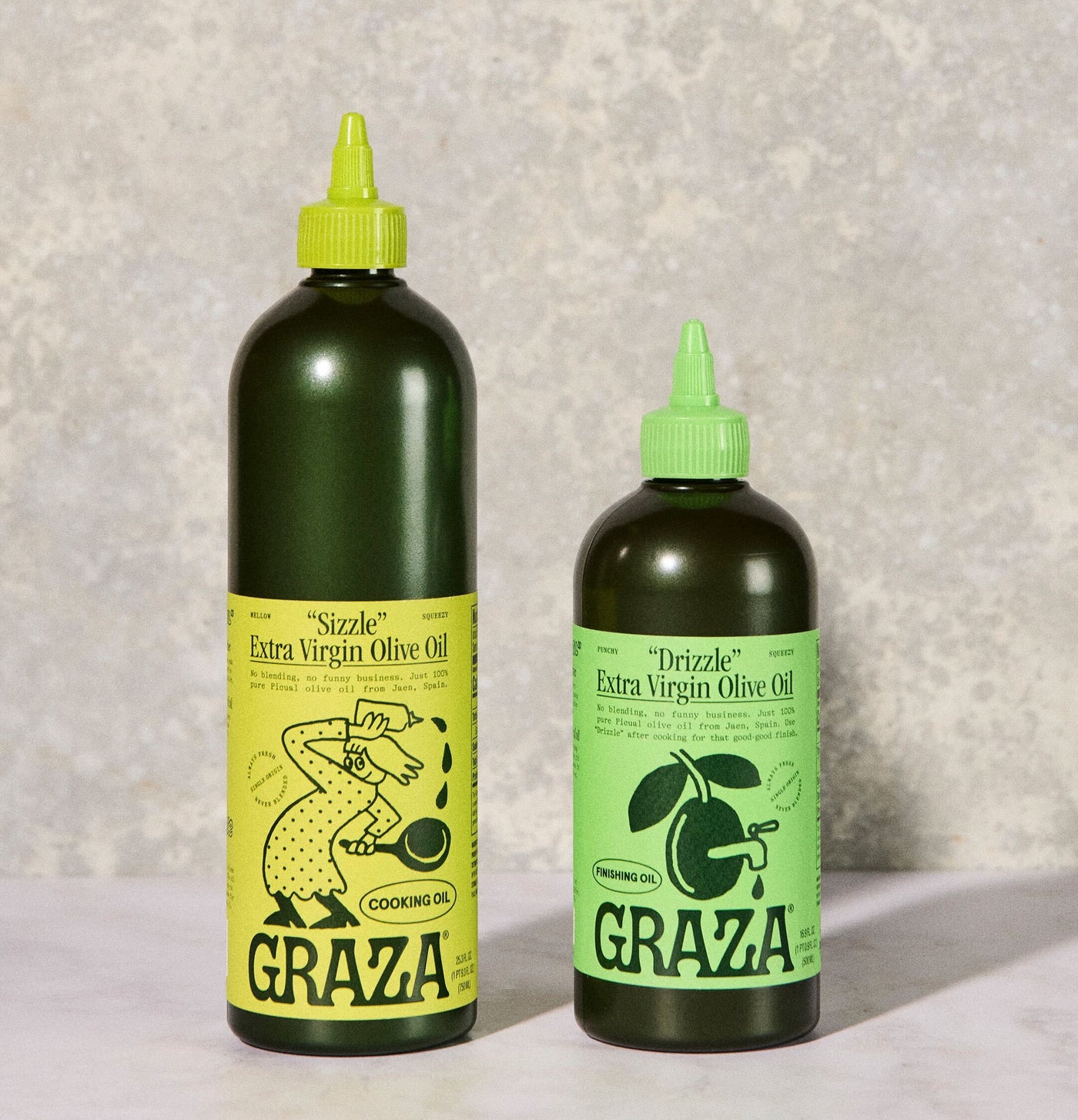 Kitchen & Drink
2022
Revenue 2022 / 2023 / 2024$4M / $19M / $48M
Kitchen & Drink
2022
Revenue 2022 / 2023 / 2024$4M / $19M / $48M