Key numbers
~€126M (from ~€1M in 2020)Revenue 2023
8M+ lifetime; 5M+ in 2023Pairs sold
14M+ customers in 150+ countriesUsers
250+ staff (from 2 co-founders in 2016)Team
The product
Loop makes silicone earplugs with acoustic filters (Experience, Engage, Quiet, Switch lines, ~$25-$60 per pair) that lower volume while keeping music and speech clear, targeting concerts, focus, sleep, and noise-sensitive users including people with autism and ADHD. The problem it solves is that traditional foam earplugs muffle sound and look medical, so people refuse to wear them. Loop's co-founder, a hard-of-hearing engineer, designed an acoustic channel that filters sound evenly instead of blocking it. Products are sold almost entirely direct-to-consumer through loopearplugs.com (100-day returns, bundles, a product-fit quiz), plus Amazon and select retail; the company later expanded into sleep-focused designs. Versus foam plugs and premium custom-molded hearing protection, Loop wins on design, comfort, brand, and price, with 100,000+ five-star reviews.
How they did it
Dimitri O, an engineer with a hearing condition, and his friend Maarten Bodewes started Loop in 2016 in Antwerp after bonding over shared tinnitus from nightlife, initially selling discreet earplugs to clubbers and festival-goers through music venues. When the pandemic shut down concerts in 2020, retail dropped to nearly zero and the team surveyed customers to discover unexpected use cases: sleep, concentration, parenting, and noise sensitivity. They rebuilt their ads, landing pages, and pricing around these segments and scaled hard on Facebook, Instagram, and TikTok with influencers, growing revenue from about €1M in 2020 to €12M in 2021 on the back of the noise-sensitivity niche. A ~€1M seed round in 2020 was its only meaningful outside funding. By 2023 revenue reached about €126M with over 5M pairs sold that year alone, and 2024 sales reportedly topped $200M. The brand has been ranked the #1 wellness company on TIME's TIME100 Most Influential Companies list and now counts 250+ staff across Antwerp, Amsterdam, New York, and Shanghai.
Why it worked
- Pandemic pivot done right: customer surveys uncovered the huge noise-sensitivity and sleep market just as nightlife died
- Design-led differentiation turned a medical 'don't care' product into a fashion accessory people post on TikTok
- Obsessive DTC execution: hundreds of A/B-tested ads, landing pages, and price points across Meta, TikTok, and Google
- Community flywheel: affiliate program, ambassadors, and niche influencer partnerships (ADHD, autism, teachers) generate organic reach
Figures are compiled from public sources and may include estimates. Always verify before making business decisions.
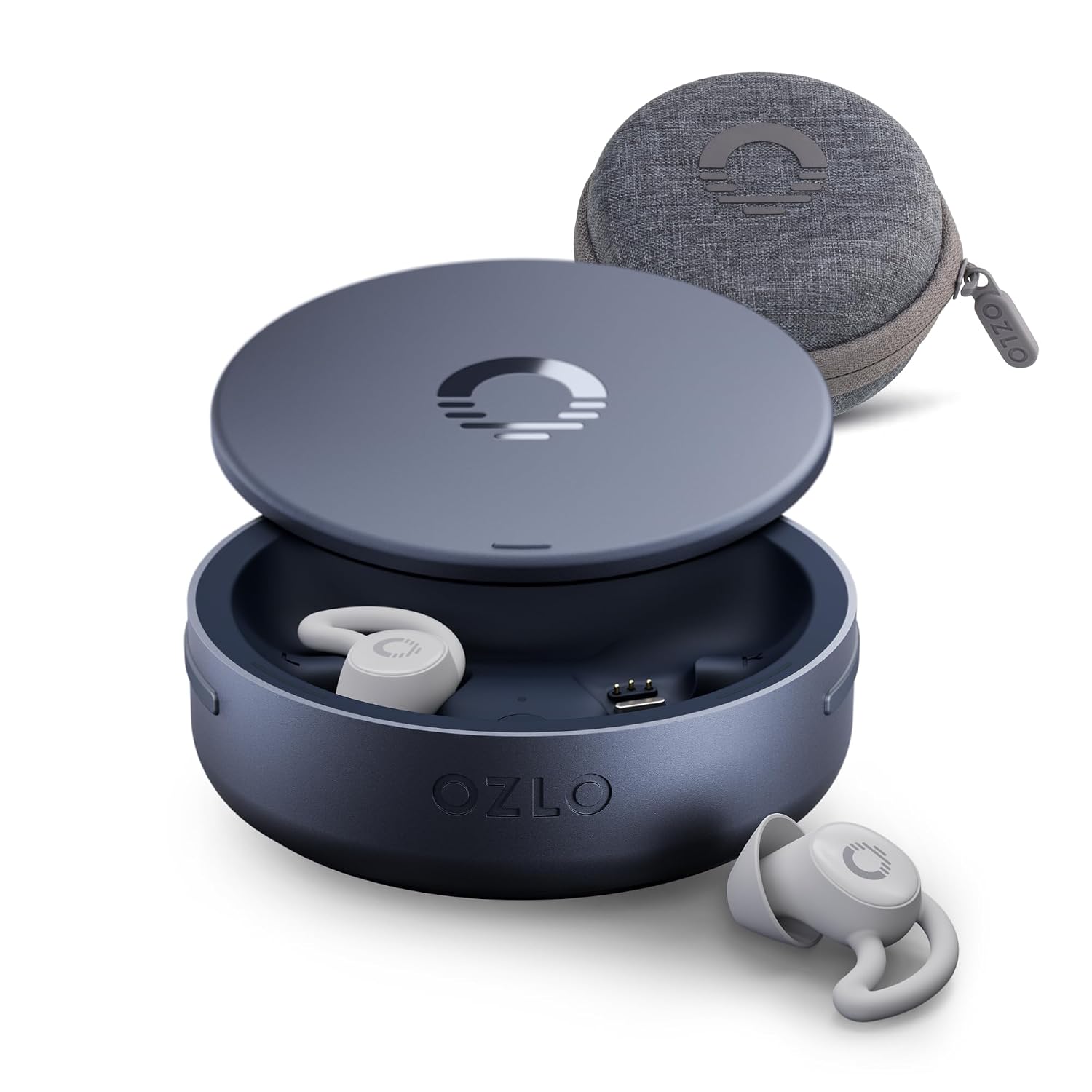 Health & Beauty
2022
Kickstarter (2023)$1,405,886 from ~5,750 backers
Health & Beauty
2022
Kickstarter (2023)$1,405,886 from ~5,750 backers